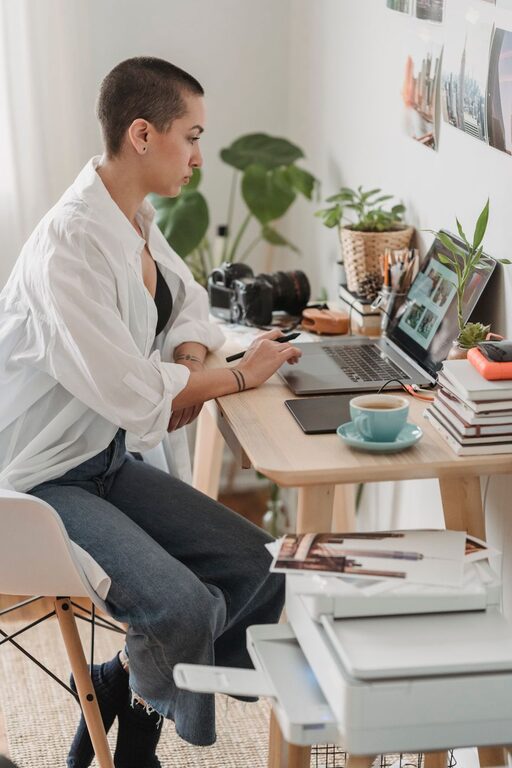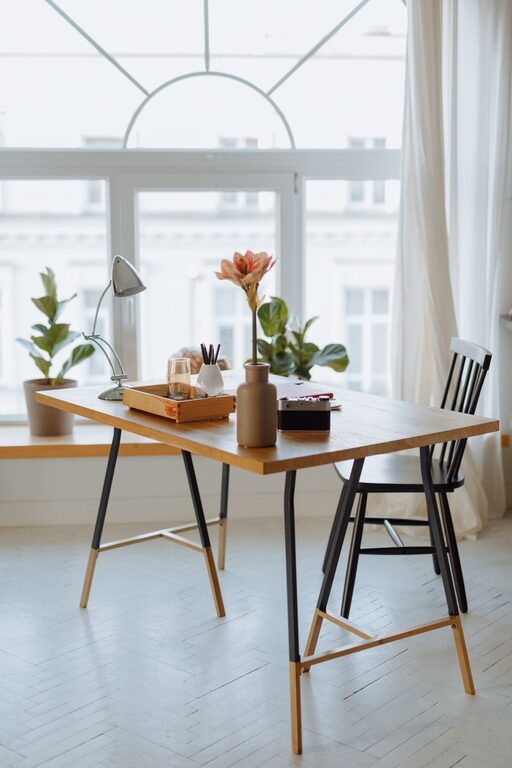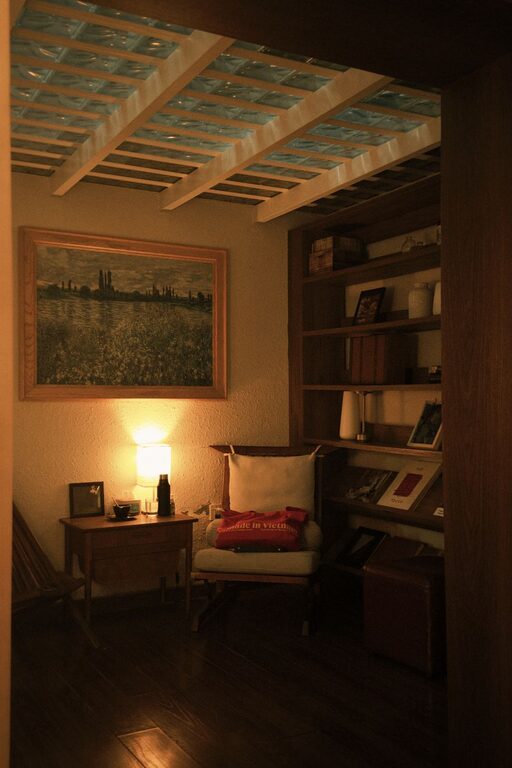





Creating a relaxing home workspace is essential for staying productive and maintaining well-being when working from home. With so many distractions around, having a dedicated, peaceful area can help you focus better and feel less stressed throughout the day. In this post, we’ll explore practical tips and ideas to design a home workspace that supports both comfort and efficiency.
Why a Relaxing Workspace Matters
Your environment directly impacts how you work. A cluttered or uncomfortable space can lead to frustration, decreased motivation, and fatigue. Conversely, a well-arranged, calming workspace can:
– Improve concentration
– Reduce anxiety and stress
– Encourage better work habits
– Enhance creativity and problem-solving
– Support physical health by promoting good posture and ergonomics
Choosing the Right Location
Find a Quiet Spot
If possible, select a quiet corner or room away from high-traffic areas in your home. Minimizing noise and interruptions helps maintain focus.
Consider Natural Light
Position your workspace near a window to take advantage of natural light. Natural light boosts mood and energy levels, making long work hours less tiring.
Control Noise and Distractions
If the location isn’t naturally quiet, consider noise-cancelling headphones or white noise machines. Inform family members or roommates about your work hours to minimize interruptions.
Organizing Your Space
Declutter Regularly
Keep your desk and surrounding area tidy. Remove unnecessary items and only keep essentials within arm’s reach to reduce visual distractions.
Use Smart Storage Solutions
Introduce shelves, drawers, or bins to organize documents, office supplies, and equipment. Label containers for easy access and to maintain order.
Personalize Thoughtfully
Add a few personal touches like plants, photos, or artwork. Choose items that inspire and calm you without overcrowding your space.
Prioritizing Comfort and Ergonomics
Select a Comfortable Chair
Invest in an ergonomic chair that supports your back and encourages good posture. Adjust the height so your feet rest flat on the floor.
Position Your Desk Properly
Your computer screen should be at eye level to avoid neck strain. Arrange your keyboard and mouse so your wrists remain straight and your elbows stay close to your body.
Use Supportive Accessories
Consider items like a footrest, ergonomic keyboard, or wrist cushions if you spend long hours working.
Creating a Calming Atmosphere
Choose Soothing Colors
Soft, neutral tones can create a peaceful environment. Colors like light blue, green, or beige tend to be calming and can improve focus.
Add Natural Elements
Incorporate plants or natural materials like wood to bring warmth and a touch of nature indoors. Plants also improve air quality, which can refresh your workspace.
Control Lighting
Use adjustable lighting with options to dim or brighten as needed. Warm LED bulbs offer a cozy feel compared to harsh fluorescent lights.
Establishing Healthy Work Habits
Take Regular Breaks
Schedule short breaks to stand, stretch, or walk around. Breaks reduce physical strain and refresh your mind.
Practice Mindfulness
Try deep breathing exercises or quick meditation during breaks to reduce stress and increase mental clarity.
Keep Hydrated and Snack Wisely
Keep a water bottle nearby and choose healthy snacks. Staying hydrated and fueled helps sustain energy levels.
Minimizing Digital Distractions
Organize Your Desktop
Keep your computer desktop clean with only necessary files or shortcuts visible.
Use Focus Tools
Apps and browser extensions that block distracting websites during work hours can help you stay on track.
Manage Notifications
Turn off unnecessary notifications on your phone and computer to limit interruptions.
Final Thoughts
Designing a relaxing home workspace doesn’t require a big budget or a lot of time. Small changes, thoughtful organization, and attention to comfort can make a significant difference in your productivity and well-being. By creating a space that feels calm and inviting, you’ll be better equipped to focus on your work and maintain a healthy work-life balance.
Remember, the key is to tailor your workspace to what feels best for you. Experiment with different setups to find an environment that supports your unique needs and helps you thrive each day.