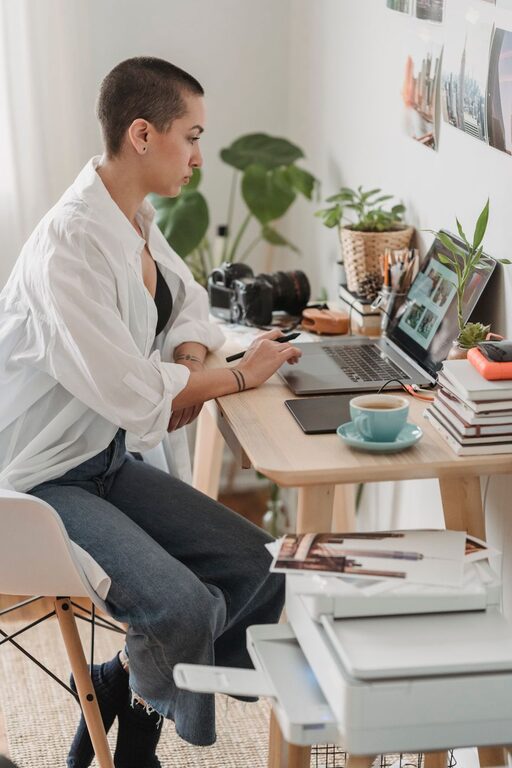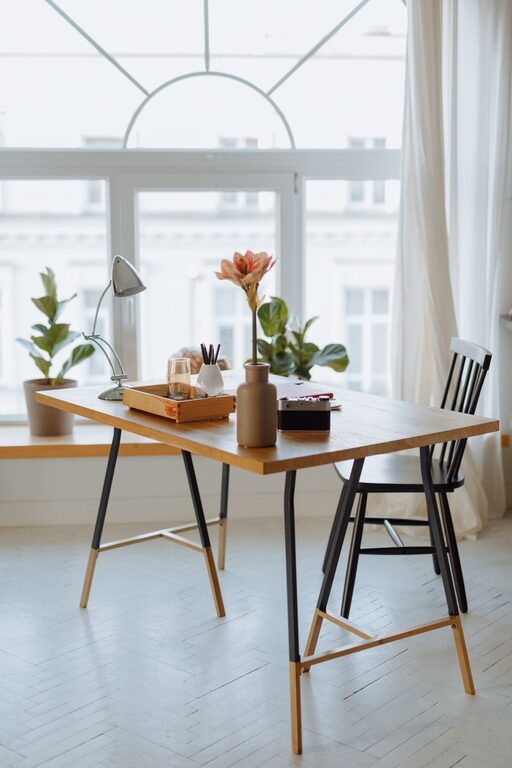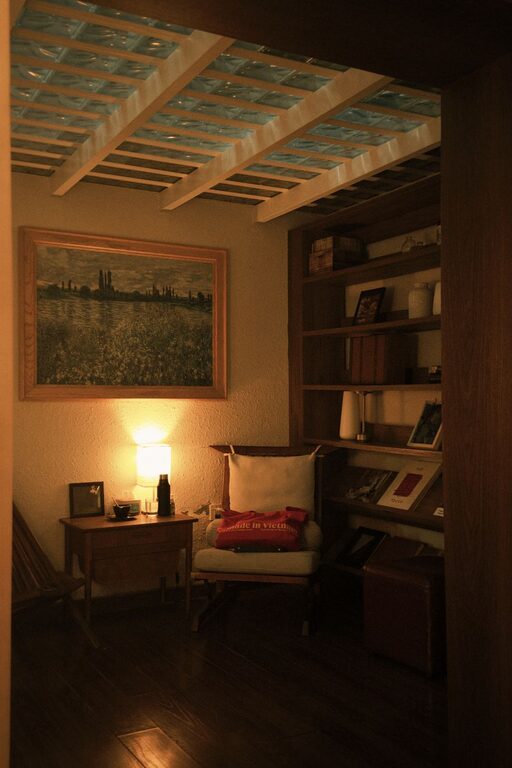





Creating an organized and efficient home office is key to maintaining productivity, especially as remote work becomes more common. A cluttered or poorly arranged workspace can distract you and slow down your workflow. Fortunately, organizing your home office doesn’t have to be overwhelming. With a few simple tips and practical strategies, you can design a comfortable, orderly environment that supports focus and efficiency.
In this post, we’ll explore helpful ideas to help you organize your home office so you can get more done with less stress.
Why Organizing Your Home Office Matters
Your workspace influences how you work. An organized office:
– Reduces distractions
– Saves time searching for things
– Boosts concentration and motivation
– Creates a professional atmosphere for video calls or client meetings
– Helps establish clear boundaries between work and home life
Taking the time to organize now will pay off in improved productivity and peace of mind.
Step 1: Declutter Your Space
Start by removing everything from your desk and surrounding areas. Sort through papers, office supplies, and miscellaneous items. Ask yourself:
– Do I use this regularly?
– Do I need to keep it for work?
– Can it be stored elsewhere?
Keep only essentials on your desk to eliminate distractions. Use this opportunity to shred old documents, recycle unnecessary paper, and donate or toss items you no longer need.
Step 2: Choose the Right Location
If possible, dedicate a specific area or room as your home office. This helps create a physical boundary between work time and personal time. Ideally, your office space should have:
– Good natural light
– Minimal noise and distractions
– Easy access to power outlets and internet
If space is limited, consider creative solutions like a foldable desk or a compact corner setup.
Step 3: Invest in Functional Furniture
Comfort and ergonomics play a big role in productivity. When organizing, ensure your furniture supports healthy posture:
– Choose a sturdy desk with enough surface area for your computer and essential supplies
– Select an adjustable chair with good lumbar support
– Use a monitor stand or adjustable arm to keep the screen at eye level
Having comfortable furniture helps reduce fatigue and physical discomfort throughout the day.
Step 4: Organize Your Desk with Storage Solutions
Keeping your desk clear is easier when you have smart storage:
– Use drawer organizers for pens, paper clips, and small tools
– Employ vertical storage like shelves or wall-mounted organizers to save surface space
– Use file holders or trays to sort papers by priority or category
– Store rarely used items in labeled boxes under your desk or on shelves
Having a specific place for each item makes tidying up quick and keeps you ready to work.
Step 5: Manage Cables and Tech Neatly
Cables and electronics can quickly become messy and distracting. Minimize clutter by:
– Using cable clips or sleeves to bundle cords
– Labeling cables for easy identification
– Positioning power strips within reach but out of the way
– Keeping tech accessories like chargers and USB drives in a dedicated container
A neat tech setup not only looks better but can prevent equipment damage and saves time untangling cords.
Step 6: Personalize Your Space Thoughtfully
While an efficient workspace is important, adding a touch of personality can make your office more inviting and boost your mood. Consider adding:
– A small plant for a bit of greenery
– An inspiring quote or artwork on the wall
– A cozy lamp or soft lighting to reduce eye strain
– A comfortable rug or cushions for warmth
Keep personalization minimal to avoid clutter, but enough to make your space feel welcoming.
Step 7: Develop Simple Daily Habits
An organized office requires ongoing attention. Adopt habits to maintain order, such as:
– Clearing your desk at the end of each day
– Filing or discarding papers regularly
– Keeping supplies restocked and in their designated places
– Scheduling time for a weekly deep clean
Consistent upkeep prevents messes from building up and keeps your workspace inviting every day.
Step 8: Use Productivity Tools and Apps
Beyond physical organization, digital tools help keep your workflow smooth:
– Use calendar apps to schedule focused work time
– Try task management apps to track priorities
– Store files consistently in cloud folders with clear naming conventions
– Use note-taking tools for quick reminders or idea capture
A tidy digital workspace complements your neat physical space for overall productivity.
—
Final Thoughts
An organized home office should be functional, comfortable, and tailored to your working style. By decluttering, choosing the right furniture, managing storage and cables efficiently, and developing good habits, you’ll create a space that helps you focus and get more done.
Start with small changes today to enjoy a more productive and stress-free home office experience. Your future self will thank you!