




Creating a relaxing home environment doesn’t have to be expensive. With a few thoughtful changes and creative ideas, you can turn your living space into a calm oasis without stretching your budget. Whether you’re looking to unwind after a long day or create a peaceful atmosphere for family and friends, these tips will help you design a cozy, tranquil home that feels just right.
Why a Relaxing Home Environment Matters
Your home should be a sanctuary where you can recharge and feel comfortable. A peaceful space contributes to better mental well-being, improves sleep, and supports overall happiness. Designing a relaxing environment often involves uncluttering, soothing colors, comfortable furniture, and sensory elements like lighting and scents.
Start with Decluttering and Organization
One of the simplest ways to create a calming space is to reduce clutter. A cluttered room can feel chaotic and stressful, so start by tidying up.
– Sort and donate: Go through your belongings and set aside items you no longer need. Donate or sell what’s still usable.
– Use storage solutions: Affordable storage bins, baskets, and shelves can help keep things organized.
– Create designated areas: Assign spots for everyday items to avoid clutter building up.
Keeping your space tidy establishes a sense of order and calm that supports relaxation.
Choose Soothing Colors
Colors influence mood more than many realize. Soft, muted tones tend to create a peaceful ambiance.
– Go neutral: Shades of beige, soft gray, or white are calming and versatile.
– Incorporate pastels: Light blues, greens, or lavenders can evoke tranquility.
– Use color strategically: You don’t have to repaint everything; adding throw pillows, blankets, or art in soothing colors can make a difference.
If painting isn’t in the budget, inexpensive fabric touches can help shift the mood.
Focus on Comfortable and Functional Furniture
You don’t need to buy expensive furniture to make your home inviting.
– Repurpose what you have: Rearrange furniture for better flow or freshen up old pieces with DIY projects like painting or new upholstery.
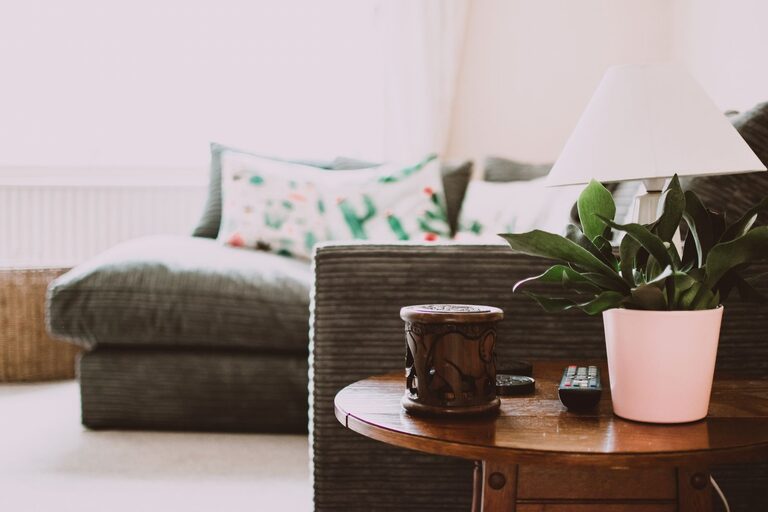
– Add soft textiles: Cushions, throws, and rugs make spaces feel cozy.
– Incorporate multi-use furniture: Items like ottomans with storage save space and provide comfort.
Comfort helps your body relax, so prioritize pieces that invite you to sit or lay down comfortably.
Play with Lighting
Lighting dramatically affects atmosphere and mood.
– Maximize natural light: Open curtains and blinds during the day to let sunlight in.
– Use warm lights: Replace harsh bulbs with warm, soft lighting for a cozy feel.
– Add lamps and candles: Affordable table lamps or LED candles can create a soothing glow.
– Consider dimmers: For a flexible lighting setup, dimming switches can adjust light levels to your needs.
Layered lighting helps create a warm, inviting space that can adapt throughout the day.
Bring Nature Indoors
Plants add life to any room and have calming effects.
– Choose easy-care plants: Succulents, snake plants, or pothos are low-maintenance and inexpensive.
– Use natural materials: Incorporate wood, stone, or woven baskets for a grounding touch.
– Create a small indoor garden: Even a few potted plants on a windowsill can improve air quality and brighten your space.
Nature elements bring a sense of peace and balance.
Incorporate Soothing Scents
A pleasant scent can elevate the relaxing vibe of your home.
– Use essential oils: Affordable diffusers with calming scents like lavender, chamomile, or eucalyptus can create a spa-like feel.
– Try DIY potpourri: Mix dried flowers, herbs, and spices for a natural fragrance.
– Light scented candles: Choose subtle, natural scents rather than overpowering artificial fragrances.
Scent can play a powerful role in reducing stress and enhancing comfort.
Create Quiet Zones
A dedicated spot for relaxation can help you unwind more easily.
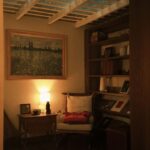
– Choose a corner or a cozy nook: Add a comfortable chair or cushions, a small side table, and good lighting.
– Limit electronics: Keep this space screen-free to avoid distractions.
– Add personal touches: A favorite book, soft blanket, or a small indoor plant can make the area inviting.
Having a quiet retreat in your home helps promote mental calm and peacefulness.
Use Textures to Add Warmth
The right textures can make spaces feel more welcoming.
– Layer fabrics: Mix different textures in pillows, blankets, and curtains.
– Add rugs: Soft rugs can warm up hard floors and add comfort underfoot.
– Include handcrafted items: Handmade pottery or woven baskets add tactile interest and charm.
Textural variety engages the senses and enhances the cozy atmosphere.
DIY Decor and Upcycling
Getting creative with DIY projects helps you save money while personalizing your space.
– Repaint old furniture: A fresh coat of paint can give new life to worn-out pieces.
– Make your own art: Frame prints, photos, or create simple canvas art that reflects your style.
– Use thrift store finds: Secondhand shops often have affordable items that can be customized.
These projects are budget-friendly and add a unique, personal touch to your home.
Final Thoughts
Creating a relaxing home environment on a budget is very achievable with thoughtful planning and simple changes. Focus on reducing clutter, introducing soothing colors and comfortable furniture, improving lighting, and adding natural elements. Small touches like scent and textures enhance comfort, while DIY projects keep costs down. Over time, these efforts will help you enjoy a peaceful, inviting home that supports your well-being without overspending.
Start with one or two changes today and watch your home transform into the relaxing retreat you deserve.